From Bare Soil to Hope: The Story Growing at Chelaba Primary School
A few years ago, growing anything at Chelaba Primary School seemed almost impossible.
The school is located within a naturally saline landscape that has long been part of a wildlife corridor in Baringo County. For generations, wild animals have visited the area to access natural salt licks found in the soil. While this unique environment supports wildlife, it also presents challenges for growing crops and trees, and for a region already struggling with harsh climatic conditions, the idea of establishing thriving vegetation within the school grounds felt ambitious.
Today, however, something remarkable is taking root.
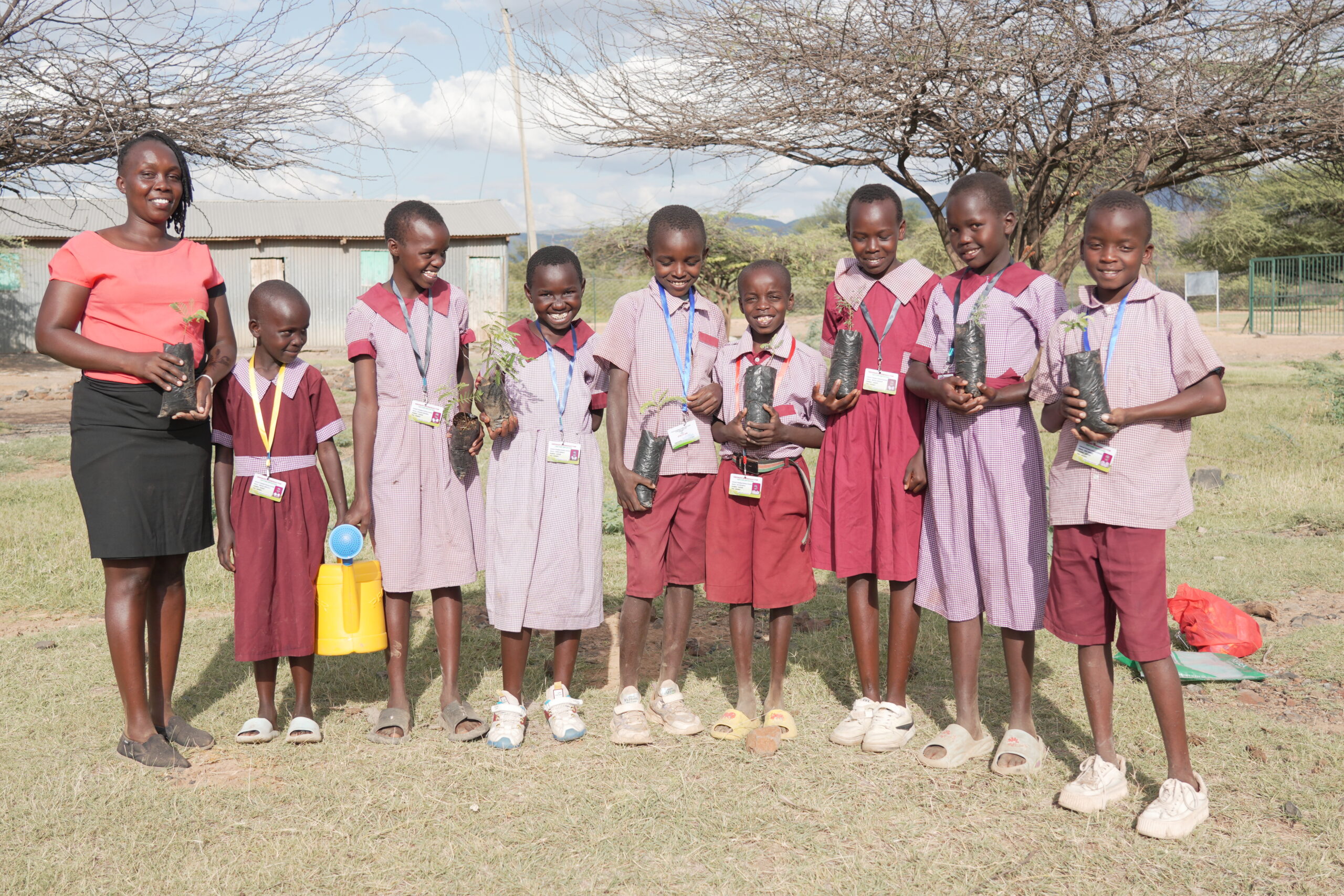
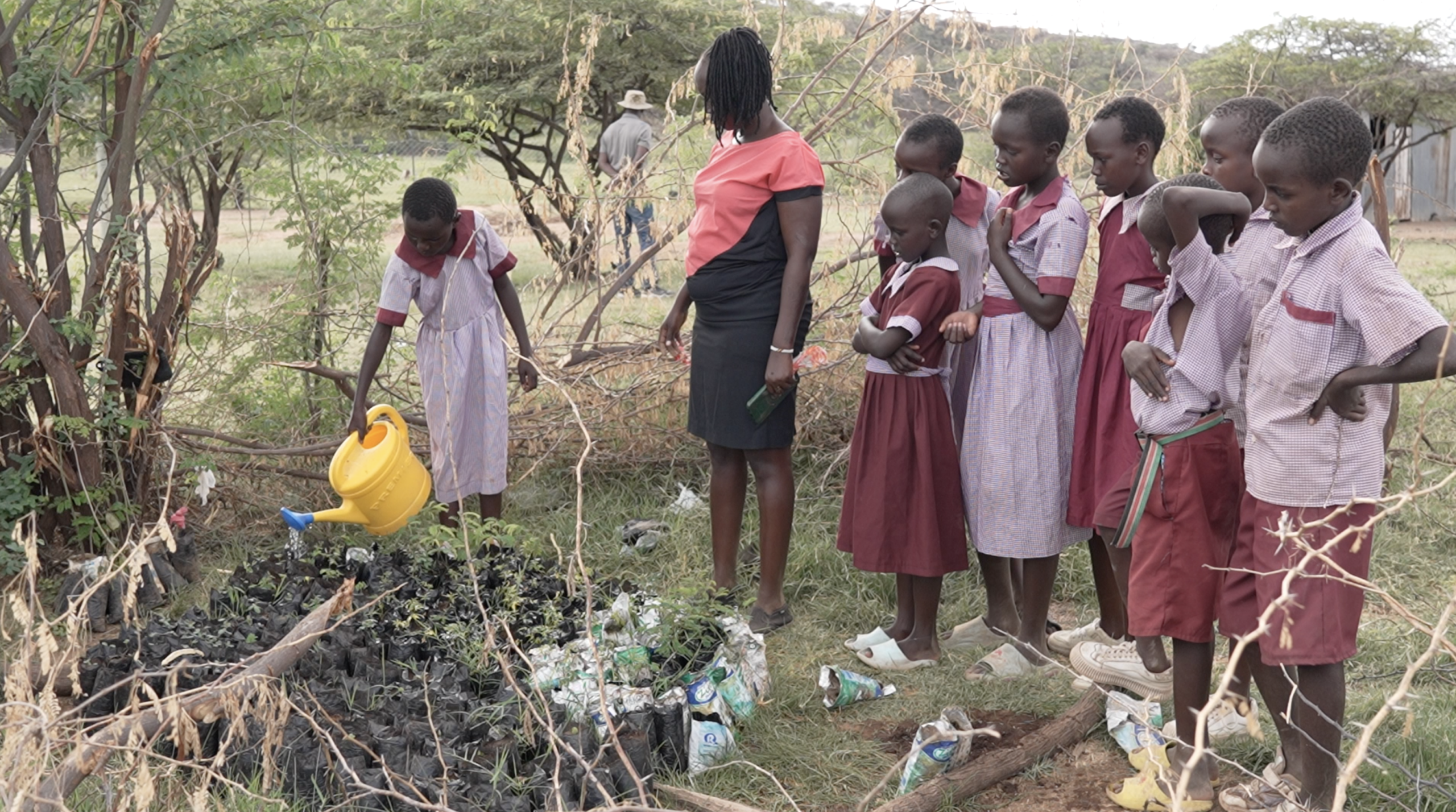
Rows of indigenous seedlings now stand where bare ground once dominated. Learners carefully water young trees before class. Teachers discuss restoration not only in lessons, but through practice. Community members regularly walk into the school compound looking to purchase seedlings for planting in their homes and farms.
At the centre of this quiet transformation is the Native Plants for Environment and People (Native PEP) project.
The journey began with the establishment of a native tree nursery within the school.
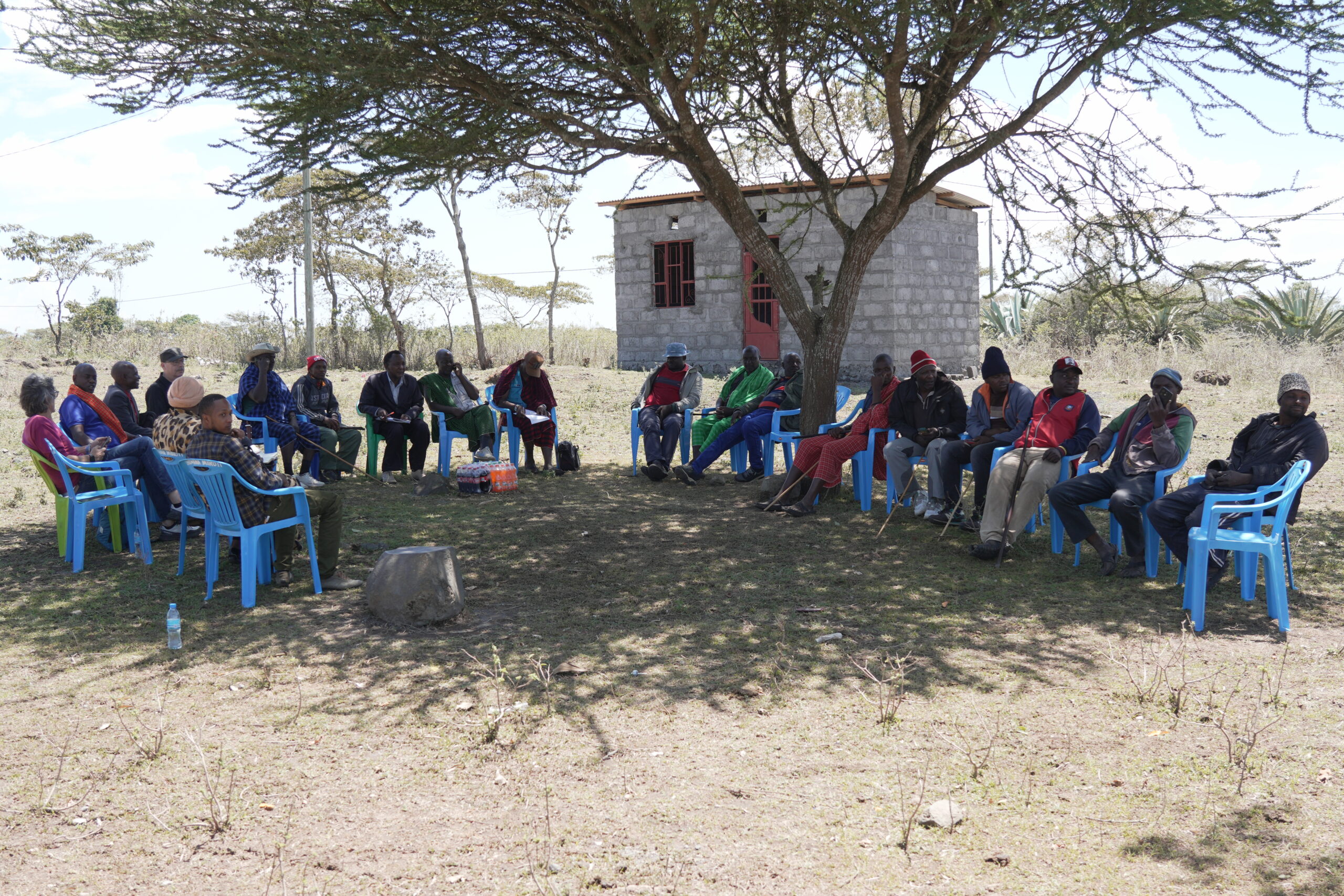
Working closely with teachers, learners, and the surrounding community, the project introduced training on restoration practices and indigenous tree propagation. Soon, the school started nurturing native species that are increasingly disappearing from the landscapes of Baringo County, including acacia trees that have long shaped the region’s ecosystems.
For many learners, it was their first time raising tree seedlings from seed.
But as the nursery grew, so did something else: ownership.
Students began taking pride in the trees they nurtured daily. Teachers embraced the initiative as part of practical environmental learning. The surrounding community started purchasing seedlings directly from the school, not simply because they needed trees, but because they had begun embracing the wider restoration movement.
The impact of the nursery soon extended beyond the school grounds. Inspired by what they were learning, some learners started establishing their own small nurseries at home and sharing their knowledge with parents and other family members. In doing so, they became young ambassadors for restoration within their communities.
Then came an unexpected outcome.
The school realized the nursery could generate income.
Money earned from selling seedlings started helping the school purchase basic learning materials such as books and pens for students. What started as an environmental intervention was now also contributing to educational support for learners.
In many ways, the seedlings became symbols of possibility, proof that restoration could produce both ecological and social value.
Yet another challenge remained beneath the surface.
The school’s saline soils continued limiting plant growth in several areas. Instead of overlooking the problem, the Native PEP project worked with the school to understand and address it directly.
Teachers and students received training on soil amelioration practices aimed at improving soil health and productivity. Gradually, areas that previously struggled to support vegetation began showing signs of recovery.
A school garden was later established, a new space expected to support vegetable production while serving as a living classroom for sustainable land management.
For the learners, the lesson became bigger than farming or trees.
It became a lesson about resilience: that even degraded land can recover with patience, knowledge, and collective action.
Chelaba Primary School is now helping shape a broader vision for Native PEP’s engagement with schools across Kenya and Tanzania.
The project hopes to replicate similar approaches in other learning institutions, while recognizing that every school has unique challenges and opportunities. Some may require restoration support, others water solutions, soil improvement, or environmental awareness programmes.
The guiding principle remains simple: listen first, then respond to the realities on the ground.
At Chelaba Primary School, the journey is only beginning.
Building on the success of the tree nursery, soil improvement efforts, and school garden, the school is planning additional environmental activities in the coming years. These include initiatives to support the restoration and protection of springs, swamps, and canals within the surrounding landscape.
Achieving these ambitions will require continued collaboration and support from partners and well-wishers. Sustained investment will help ensure that the gains already achieved through the Native PEP project are maintained and expanded, allowing more learners, families, and communities to benefit from restoration efforts.
And at Chelaba Primary School, the reality is already visible.
What once looked like lifeless soil is slowly becoming a place of growth, learning, and hope; one seedling at a time.
Article by: Simon Njoroge